Articles in this Volume

Research Article Open Access
A dualistic perspective on dental treatment procrastination
Article thumbnail
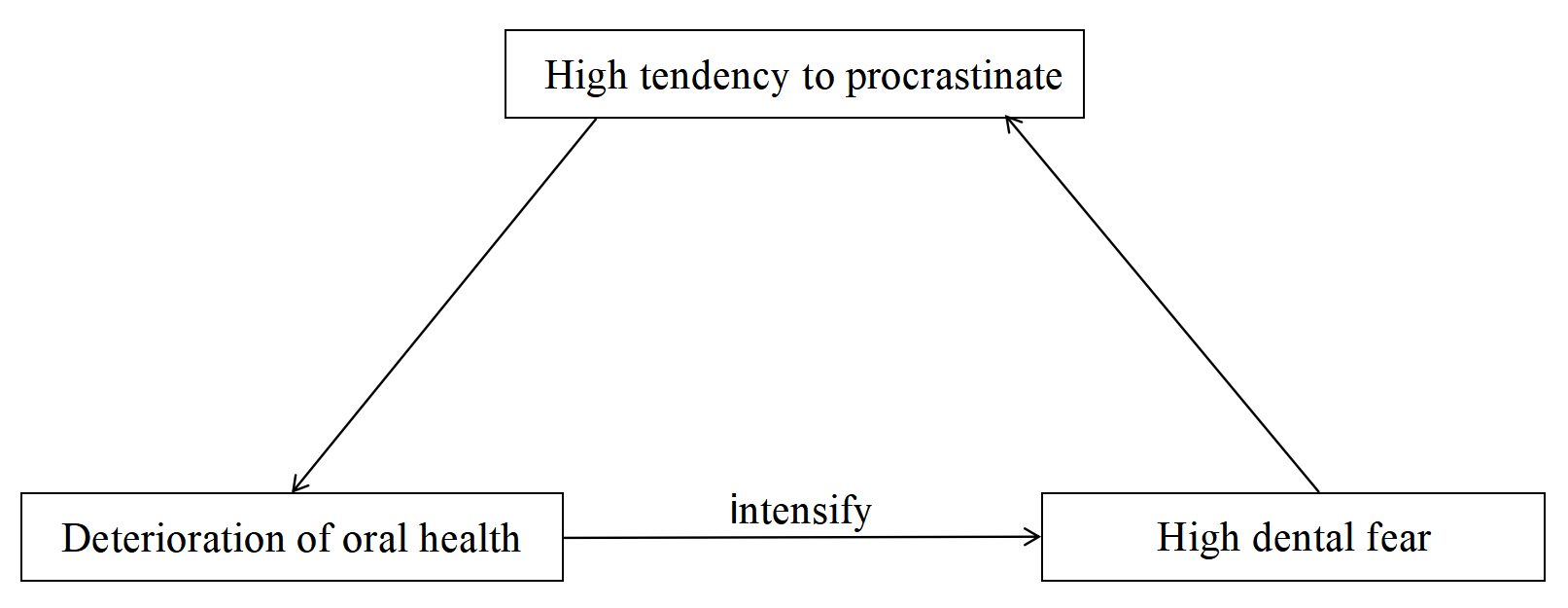
Dental fear is the primary cause of delayed defearntal treatment among patients, and this delay further exacerbates dental fear, perpetuating the cycle of postponed care. Previous studies have treated procrastination as a singular pathological behavior—an aimless, impulsive, and irrational avoidance of negative emotions—significantly associated with high levels of dental fear, low self-efficacy, and high neuroticism. In reality, active procrastination constitutes a strategic form of delay. Active procrastination involves consciously scheduling tasks, maintaining confidence in one's ability to complete them despite pressure, and avoiding actions that would objectively worsen the situation without offering any positive benefits. Distinguishing between active and passive procrastination is essential in this study. This distinction suggests that clinical paradigms should shift from single-focused treatments targeting procrastination toward individualized therapies addressing its underlying mechanisms. Only then can the vicious cycle of fear-treatment procratination be broken.
Show more
Read Article PDF
Cite
Research Article Open Access
Research progress on risk factors for recurrence of colorectal adenomas after endoscopic resection and postoperative prevention and treatment
Colorectal Adenoma (CRA) is the main precancerous lesion of Colorectal Cancer (CRC). Its early detection and intervention are of great significance for reducing the incidence of CRC. Currently, endoscopic treatment is the most commonly used and effective method. However, there is still a certain risk of recurrence after adenoma resection, and some may progress to high-grade intraepithelial neoplasia or even CRC. Studies have shown that the recurrence mechanism of CRA is a complex process involving multiple factors, which is closely related to individual patient factors, adenoma characteristics, and factors related to endoscopic operations. Research on the prevention of adenoma recurrence is relatively scarce. In the field of Western medicine, Western drugs are the mainstay, while Traditional Chinese Medicine (TCM) prevents adenoma recurrence through syndrome differentiation using internal and external treatments, but both lack clear mechanism research and support from high-quality evidence-based medical evidence. This article investigates the research progress on the recurrence of CRA at home and abroad in recent years, evaluates some existing recurrence prediction models and monitoring strategies, and finally reviews the existing prevention methods of integrated traditional Chinese and Western medicine, aiming to provide reference for clinical practice, optimize postoperative monitoring strategies and individualized prevention and treatment plans, and ultimately achieve the goal of reducing the risk of CRC.
Show more
Read Article PDF
Cite
Research Article Open Access
Bioinformatics analysis for pancreatic cancer to identify risk genes based on blood samples
Article thumbnail
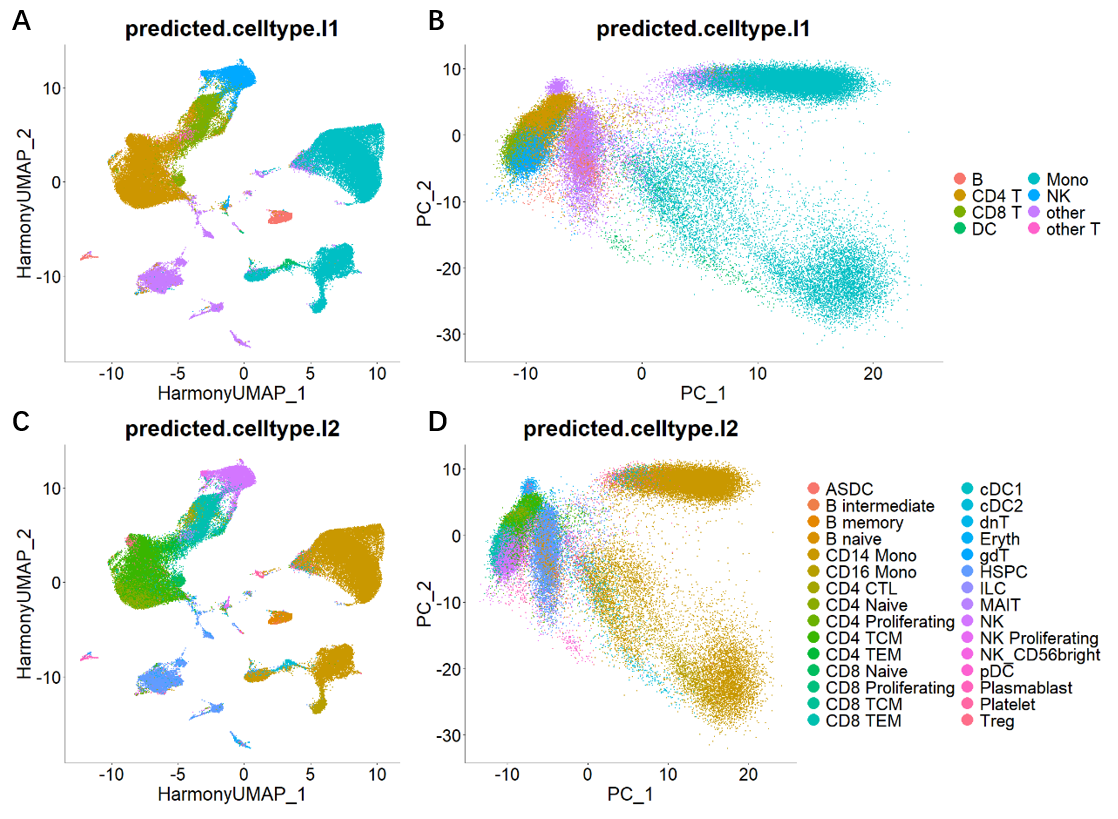
Pancreatic cancer remains a highly lethal malignancy with limited early detection methods and therapeutic options. To better understand its molecular underpinnings, we performed a comprehensive single-cell RNA-sequencing analysis of Peripheral Blood Mononuclear Cells (PBMCs) from 16 pancreatic cancer patients and 4 healthy controls. After integrating datasets using Harmony to correct for batch effects, we annotated immune cells across three levels of resolution, identifying Level 2 as optimal for downstream analysis. Differential gene expression and pathway enrichment analyses revealed distinct transcriptional signatures across immune subsets, including CD4⁺ T cells, monocytes, NK cells, and regulatory T cells. Notably, monocytes exhibited pronounced pro-inflammatory shifts, while unexpected expression of pancreatic enzyme-related genes was observed in erythroid cells and Tregs, suggesting potential contamination or stress-induced pathways. Our study provides a high-resolution map of the systemic immune landscape in pancreatic cancer and highlights candidate cellular and transcriptional mechanisms that may contribute to disease pathology, offering potential targets for future diagnostic and therapeutic strategies.
Show more
Read Article PDF
Cite
Research Article Open Access
Single-cell sequencing analysis of the pancreatic cancer samples
Article thumbnail
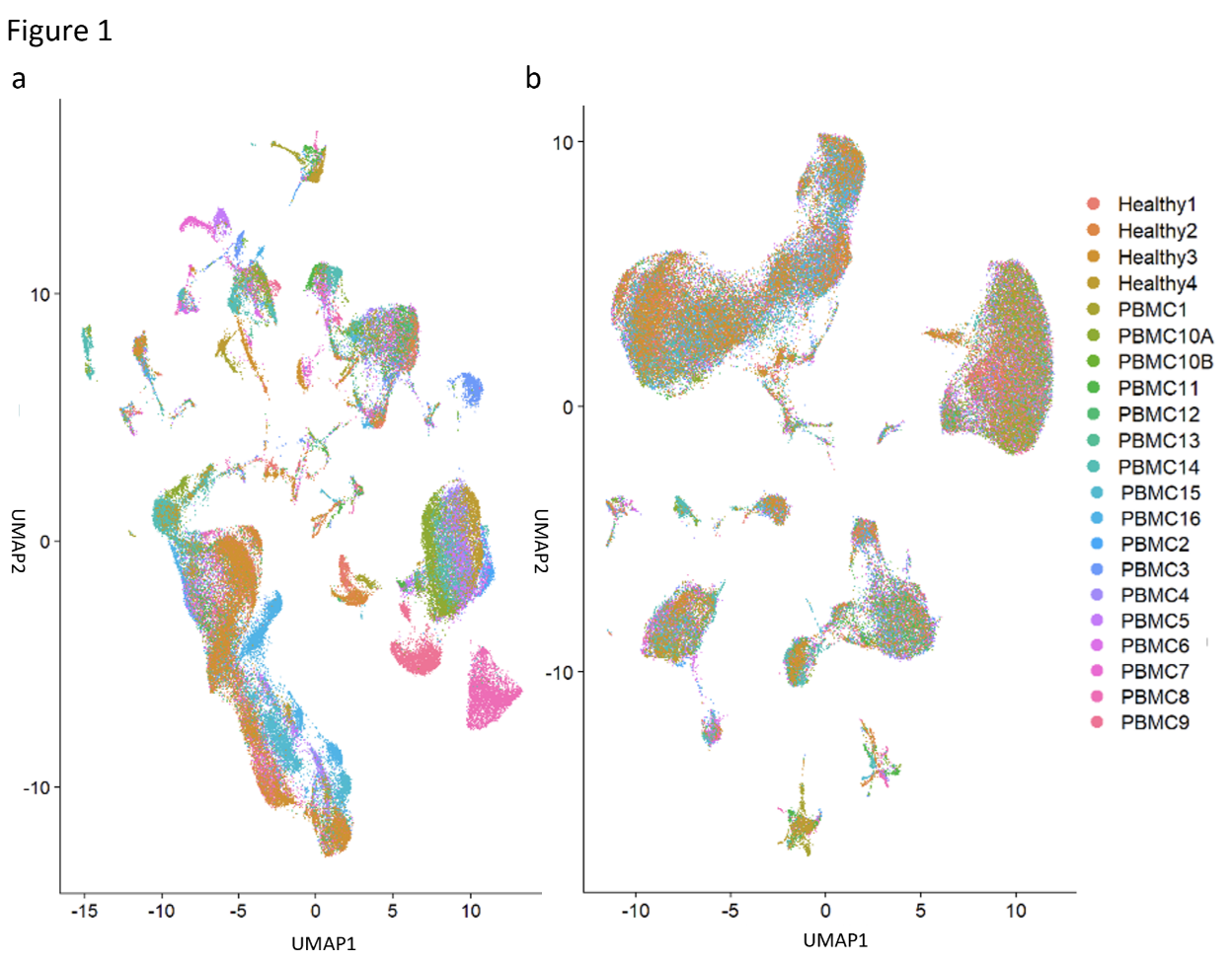
Pancreatic Ductal Adenocarcinoma (PDAC) is one of the most lethal human malignancies with poor survival outcome. It is characterized by late diagnosis, rapid growth and limited therapeutic choices. Increasing evidence has suggested that gene expression may undergo extensive changes during the process of normal cells to malignant transformation which may play a critical role in the initiation and progression of human PDAC. In this study, we applied single-cell RNA sequencing (scRNA-seq) technology to comprehensively compared the Peripheral Blood Mononuclear Cells (PBMCs) and tissue samples from pancreatic ductal adenocarcinoma patients and normal individuals. We characterized transcriptional heterogeneity and identified differentially expressed genes as well as the changes of immune microenvironment between PDAC and normal individuals through integrative bioinformatic analysis. We believe that our results will provide new insights into the cellular and molecular characterization of PDAC and may provide potential implications for future therapeutic approaches and biomarker discoveries.
Show more
Read Article PDF
Cite
Research Article Open Access
Research progress of traditional Chinese medicine in the treatment of benign thyroid nodules
Thyroid nodules are common diseases of the endocrine system, which belong to the category of "goiter" in Traditional Chinese Medicine (TCM). The TCM treatment of benign thyroid nodules takes syndrome differentiation and treatment as the core, forming a multi-therapy system including oral administration of Chinese herbal medicine and external treatment, with continuous deepening of relevant research and application. This paper systematically sorts out the clinical application status of various characteristic TCM therapies in the treatment of benign thyroid nodules, and looks forward to the prospects around the optimization of clinical diagnosis and treatment and the explanation of mechanisms of action, aiming to provide ideas for the TCM treatment of benign thyroid nodules.
Show more
Read Article PDF
Cite
Research Article Open Access
Analysis of the mechanism and efficacy of Chuanxiong intreating gout
Gout is a metabolic disease caused by the deposition of monosodium urate, marked by severe pain and inflammation. Globally, its incidence rate is on the rise, and the incidence population is getting younger, which has become a key public health problem. The treatment methods of Western medicine can quickly exert anti-inflammatory and analgesic effects, but cannot cure the disease. Traditional Chinese medicine has become a potential treatment for gout. From the perspective of traditional Chinese medicine's principle of syndrome differentiation and treatment, Chinese medicine can regulate the organs of the body, improve metabolic disorders at the root, reduce the production of uric acid, and promote its excretion from the body. Chuanxiong, as a traditional Chinese medicine, has a synergistic effect of various active ingredients such as ligustrazine and ferulic acid, which can alleviate pain, reduce inflammation, reduce urea, improve microcirculation, and have antioxidant effects. It is used to treat gout. In the future, the mechanism of action of Ligusticum chuanxiong in treating gout can be exploited through the development of combination drugs, and a new treatment strategy can be created, providing reference for further research on the pathogenesis of gout and the development of new drugs.
Show more
Read Article PDF
Cite
Research Article Open Access
Advances in traditional Chinese medicine treatment for Hashimoto's thyroiditis
Hashimoto's Thyroiditis (HT), as the primary cause of hypothyroidism worldwide, has shown an increasing prevalence. Although Western medicine can regulate thyroid function, its effect on reducing autoantibodies is limited. Based on the holistic concept and syndrome differentiation and treatment, Traditional Chinese Medicine (TCM) has demonstrated unique advantages in regulating immunity, improving symptoms, and delaying disease progression. By sorting out the etiology, pathogenesis, main treatment methods, and efficacy of HT, this paper aims to explore the progress of TCM in the treatment of HT and provide ideas and methods for clinical practice. However, there is a lack of high-quality clinical evidence for TCM treatment of HT. In the future, high-quality clinical trials are needed to confirm the efficacy, so as to promote new breakthroughs in TCM treatment of HT.
Show more
Read Article PDF
Cite
Research Article Open Access
Predicting immunotherapy outcomes in breast cancer: a model leveraging copper metabolism signatures
Article thumbnail
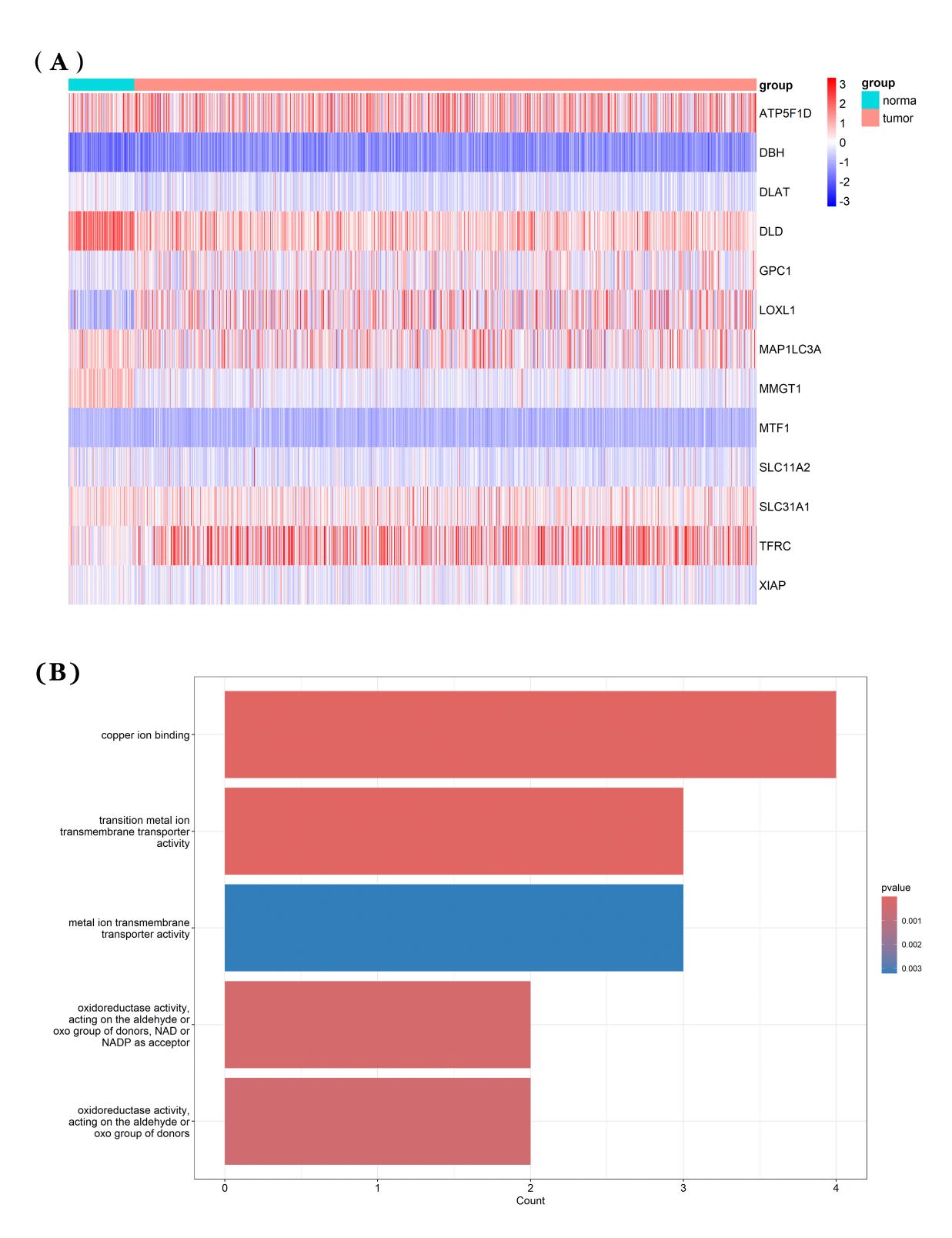
Background: Copper ions play multiple roles in cancer metastasis and invasion. Breast cancer prognosis and immunotherapy efficacy are intricately linked with genes associated with copper metabolism. Studies have shown the therapeutic potential of eliminating or overloading copper ions in cancer. Further study is needed to elucidate the correlation between copper ion metabolism and cancer progression. Methods: Based on The Cancer Genome Atlas (TCGA) dataset, this study first performed univariate COX regression and LASSO regression analyses on 111 copper metabolism-related genes. Subsequently, patients were stratified into high- and low-risk groups, and systematic comparisons were conducted between the two groups in terms of clinical stratification, immune cell infiltration, tumor mutational burden, and predicted immunotherapy response. To further validate the clinical relevance of the model genes, this study analyzed their protein expression patterns using the Human Protein Atlas database and performed immunohistochemical experiments with clinical breast cancer tissues and matched adjacent normal samples for confirmation. Results: A prognostic model was created to predict using the lasso-Cox regression results and the genes DLAT, SLC31A1, LOXL1, and MTF1. The low copper metabolism gene score group showed better survival outcomes, while the high copper metabolism gene score group was associated with enhanced immunotherapy response. Immunohistochemical staining revealed high DLAT, SLC31A1, LOXL1, and MTF1 protein expression. Conclusion: This work highlights the profound impact of copper metabolism on breast cancer biology, linking it to patient survival, immune landscape, and therapeutic response. These insights have direct implications for developing predictive biomarkers to guide personalized immunotherapy. The results provide a new perspective for breast cancer treatment and may offer a basis for optimizing diagnosis and treatment strategies.
Show more
Read Article PDF
Cite
Research Article Open Access
Case report: nursing care of postpartum hemorrhage complicated by postpartum heart failure
This study retrospectively analyzes the clinical nursing of a patient with postpartum hemorrhage complicated by postpartum heart failure, exploring nursing strategies for such cases. In addition, it introduces care methods based on the Enhanced Recovery After Surgery (ERAS) concept, focusing on psychological support and the recovery of postpartum physical function. The patient underwent forceps-assisted vaginal delivery due to acute fetal intrauterine distress and delivered a female infant. Postpartum hemorrhage of 1,000 mL occurred. At 1 hour and 38 minutes postpartum, the patient suddenly experienced chest tightness, choking, dyspnea, and coughing without pink frothy sputum. A multidisciplinary emergency response was immediately initiated. Within 2 hours postpartum, the patient developed heart failure, likely related to the administration of uterotonic and vasoconstrictive hemostatic agents and rapid intravenous fluid infusion, which increased cardiac load and triggered heart failure. Following meticulous treatment and nursing care, the patient recovered and was discharged. With adherence to a series of guided interventions, her postpartum physical functions achieved satisfactory rehabilitation.
Show more
Read Article PDF
Cite